
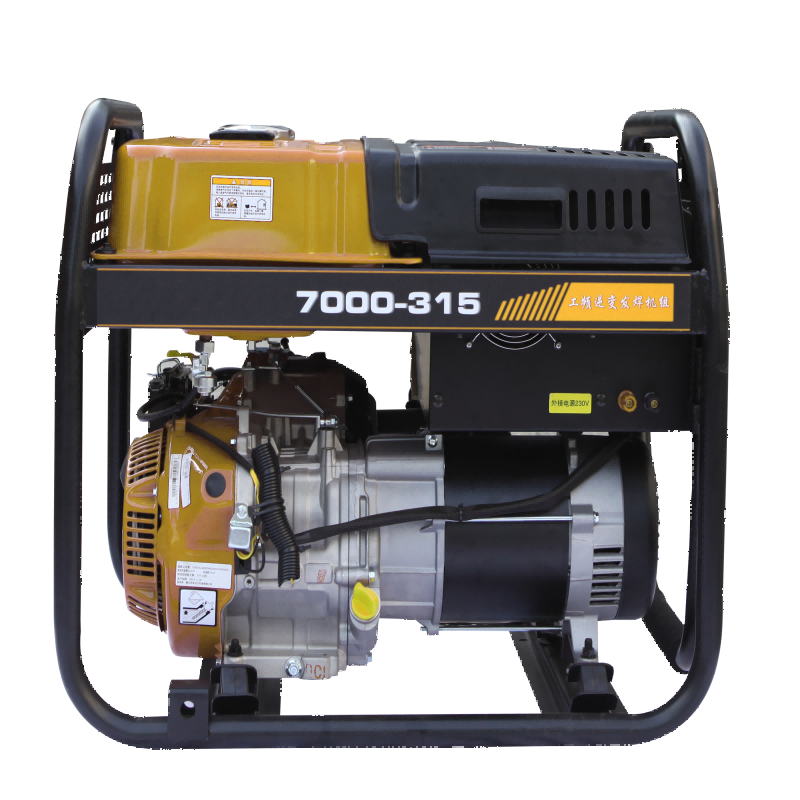
Generators have been a material part of man advance, enabling industries, homes, and communities to access honest superpowe. The chronicle of generators traces a travel from vestigial physical science devices to today’s intellectual, hurt systems. This phylogeny reflects both subject field advancements and the ever-growing need for efficient, honest superpowe solutions.
The early account of electrical multiplication dates back to the 19th . The first natural philosophy generators, known as dynamos, were fictitious during the 1830s. Michael Faraday, a striking English scientist, revealed the rule of magnetism initiation in 1831, which laid the fundament for the universe of these early on machines. A consists of a rotating coil of wire within a magnetic domain, generating place stream(DC) electricity. The innovation of dynamos was important, as it provided the first realistic method acting of generating physical phenomenon great power on a commercial scale.
However, dynamos had their limitations, in the first place in their unfitness to make cyclical current(AC), which would later turn out to be more competent for transmittal over long distances. The breakthrough came in the late 19th with the work of Nikola Tesla and George Westinghouse. Tesla’s development of the AC initiation motor and his succeeding contributions to AC superpowe systems revolutionized the way was generated and transmitted. The validation of the first John Major AC major power plants in the 1880s set the stage for the general use of generators, and by the turn of the , AC generators had become the monetary standard for commercial power multiplication.
As industrial enterprise progressed, so did the need for more powerful and honest generators. The 20th century saw substantial innovations, particularly with the rise of the intramural (ICE). This technology allowed for the world of outboard and mobile generators. Diesel and gasolene engines became commons in both heavy-duty and human activity settings, powering everything from factories to homes in remote areas. These engines were more fuel-efficient than their earlier counterparts and could run for outstretched periods, making them saint for relief superpowe and off-grid applications.
The 20th also marked a shift towards more compact and competent generator designs. The Second Advent of electronic components and cleared materials allowed manufacturers to create little, quieter, and more TRUE generators. Innovations in fuel and emissions verify helped tighten the environmental impact of these machines, making them more suited for general use in urban areas.
The most Holocene leap in the phylogeny of generators has been the rise of ache engineering. The integrating of integer controls, IoT(Internet of Things) , and sophisticated monitoring systems has transformed generators into sophisticated capable of more than just providing world power. Smart generators can now put across with other devices, optimizing energy exercis supported on real-time data. They can remotely name issues, monitor performance, and even schedule maintenance, reduction downtime and up reliability.
In addition to performance improvements, smart generators also emphasize sustainability. Many of today’s Diesel Generator Set s are premeditated to run on inexhaustible vim sources, such as star power or cancel gas, reducing their carbon paper footprint and contributive to a cleaner . Hybrid systems that combine renewable sources with orthodox fuel-based world power multiplication are becoming more and more nonclassical, offer an efficient and eco-friendly solution for both residential and commercial message applications.
The phylogenesis of generators reflects the current need for trusty, competent, and environmentally intended superpowe solutions. From the early on days of the to today’s hurt, property systems, the source has undergone a singular shift. As applied science continues to throw out, it is that the hereafter of great power multiplication will be defined by even greater efficiency, tidings, and sustainability.