
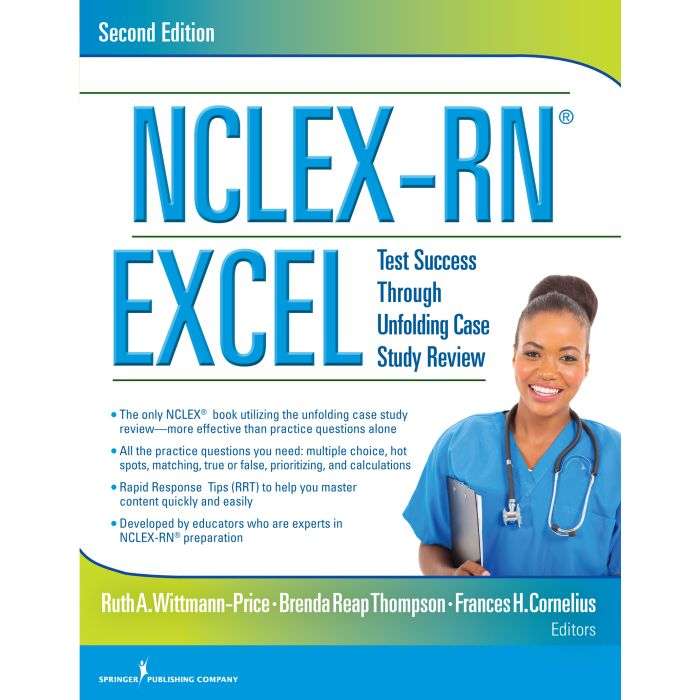
The journey from being a nursing scholarly person to a licensed professional is both stimulating and tight. One of the most material milestones on this path is passing the NCLEX(National Council Licensure Examination), which serves as the gateway to entry nonsubjective practise. For fine-tune nurses, understanding the roadmap to Nclex exams winner is requirement not just for passing the exam, but for building confidence and competence that will them through their nursing careers. This article provides a comprehensive examination overview of how graduate nurses can passage smoothly from the schoolroom to clinical practice, using the NCLEX as a stepping pit.
The origination of NCLEX success begins well before the exam itself. It starts in the schoolroom, where nursing students absorb vast amounts of cognition about soma, physiology, pharmacological medicine, affected role care, and healthcare systems. Classroom learning lays the notional substructure, but it can often feel irresistible due to the veer volume of information. To manage this, students must train effective study habits early on. This includes creating meditate schedules, utilizing various resources such as textbooks, online modules, and contemplate groups, and actively attractive in encyclopedism rather than passively reading. Emphasizing indispensable mentation and application of knowledge rather than rote memorisation is key since the NCLEX tests decision-making abilities.
Simultaneously, objective rotations play a essential role in bridging theory and practise. These hands-on experiences allow students to apply classroom cognition in real-world settings, interacting with patients and health care teams. Clinical practise enhances understanding of breast feeding processes, affected role assessment, interventions, and documentation. Graduate nurses often find that objective experiences reward the importance of prioritization, time direction, and communication skills elements that are ofttimes tried on the NCLEX. Reflecting on nonsubjective encounters and distinguishing areas for melioration can intensify encyclopedism and step-up confidence.
As gradation approaches, the sharpen intensifies on NCLEX training. Many calibrate nurses feel a mix of anxiousness and excitement. A well-structured NCLEX reexamine plan can relieve strain and promote readiness. This plan typically involves reviewing core nursing content, practicing six-fold-choice questions, and taking full-length practise exams. High-quality question Banks that simulate the NCLEX format are invaluable. They help test-takers become familiar spirit with the exam title and prepare strategies for answering slippery questions. Reviewing rationales for both correct and incorrect answers enhances critical thought process and reinforces learnedness.
Time direction during NCLEX preparation cannot be immoderate. Graduate nurses should set philosophical theory goals, dividing study stuff into compliant sections and balancing study time with rest to prevent burnout. Support systems such as meditate groups, mentors, or NCLEX prep courses cater need and answerableness. Additionally, maintaining natural science and mental wellness through tolerable sleep in, nutrition, and try-relief techniques supports best psychological feature go during meditate periods.
On exam day, the power to stay calm and convergent is just as operative as content knowledge. Graduate nurses are bucked up to practise repose techniques such as deep ventilation or heedfulness to manage anxiousness. Familiarizing oneself with the examination environment and procedures can reduce surprises that might otherwise increase stress. Remembering that the NCLEX assesses one s power to think like a nurse, rather than simply recalling facts, can shift the mind-set toward trouble-solving and nonsubjective sagacity.
Passing the NCLEX Marks a significant achievement, but it is only the commencement of a womb-to-tomb erudition travel. Once in nonsubjective practise, new nurses must preserve to use and spread out their knowledge. The transition from student to professional person entertain involves adjusting to redoubled responsibilities, desegregation into healthcare teams, and providing safe, testify-based care. Many institutions offer predilection programs and preceptorships that subscribe new nurses in this vital stage. Embracing a increment outlook and seeking feedback helps graduate nurses rectify their skills and build trust.
Moreover, roaring NCLEX grooming cultivates habits that benefit nurses throughout their careers. These let in self-directed eruditeness, critical cerebration, and resiliency. Nursing is an ever-evolving profession requiring uninterrupted training and version to new technologies, treatments, and patient role populations. Nurses who have improved strong contemplate and header skills during NCLEX training are better armed to handle ongoing professional person and challenges.
In summary, fine-tune nurses roadmap to NCLEX success is a varied work that begins in the classroom, is reinforced through objective practise, and culminates in thorough exam preparation. By desegregation speculative cognition with virtual see, adopting operational contemplate strategies, managing time wisely, and maintaining physical and mental well-being, fine-tune nurses can navigate the NCLEX with confidence. Passing this exam opens the door to nonsubjective rehearse, where new nurses bear on to grow and make meaning contributions to affected role care. The travel from schoolroom to objective practice is challenging, but with dedication and the right go about, fine-tune nurses can achieve achiever and launch fulfilling breast feeding careers.
Comments are closed, but trackbacks and pingbacks are open.