
Bathroom remodeling is an exciting process that can transform an outdated, uncomfortable bathroom into a modern, functional, and beautiful space. Bathroom Remodeling Tampa FL involves several important stages, including planning, design, material selection, demolition, installation, and final inspections. 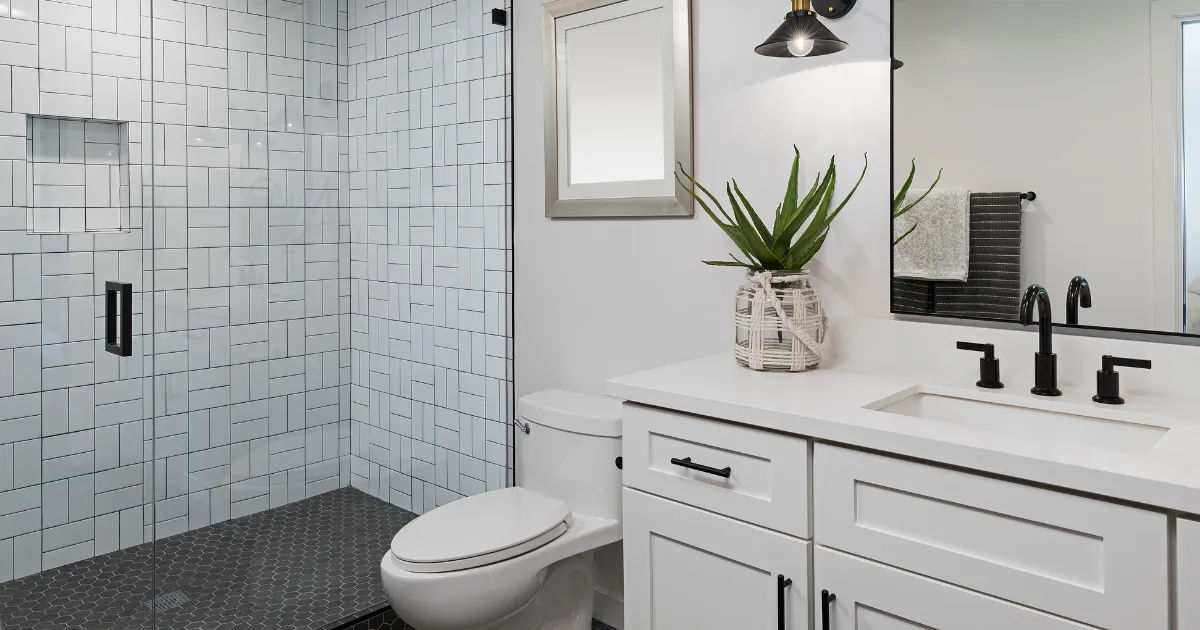
A Bathroom Remodeling Tampa FL is more than simply replacing tiles or installing new fixtures. It requires careful planning because bathrooms include plumbing systems, electrical connections, ventilation, waterproofing, storage solutions, and design elements that must work together. Whether the goal is improving comfort, increasing home value, fixing damage, or creating a luxury retreat, every step plays an important role.
For homeowners in Tampa, Florida, bathroom remodeling can also involve considerations related to humidity, moisture control, energy efficiency, and local building requirements. A well-planned project ensures that the finished bathroom looks attractive while remaining durable and practical for everyday use.
Initial Planning and Consultation
The first stage of a bathroom remodeling project is planning. Before any construction begins, homeowners usually discuss their goals, preferences, budget, and expectations with a remodeling professional.
During the consultation, the contractor evaluates the current bathroom layout and identifies areas that need improvement. This may include outdated plumbing, damaged flooring, poor lighting, insufficient storage, or old fixtures that no longer meet modern standards.
Homeowners should clearly explain what they want to achieve. Some people want a simple update with new surfaces and fixtures, while others prefer a complete transformation that changes the entire layout.
Important questions during the planning stage include:
- What problems need to be fixed?
- Is the current bathroom layout functional?
- Which features are most important?
- What materials match the desired style?
- What is the available budget?
- How long should the project take?
Good planning reduces unexpected issues later and helps create a realistic remodeling timeline.
Evaluating the Existing Bathroom Space
After discussing goals, the next step is evaluating the current bathroom. Professionals carefully inspect the room to understand its condition.
They check the plumbing system, electrical wiring, walls, flooring, ceiling, ventilation, and moisture levels. Bathrooms experience constant exposure to water, so hidden problems such as leaks, mold, or structural damage must be identified before installation begins.
A bathroom that appears fine on the surface may have issues behind walls or under flooring. Detecting these problems early prevents expensive repairs after the remodeling work has started.
The evaluation stage also helps determine whether the existing layout should remain or be changed. Some bathrooms only need cosmetic improvements, while others require major adjustments.
Creating a Bathroom Design Plan
The design phase is where ideas become a detailed plan. Homeowners choose the appearance, layout, colors, materials, and features they want in their new bathroom.
A professional designer or contractor may create drawings or digital layouts to show how the finished space will look. This allows homeowners to visualize changes before construction begins.
The design plan usually includes:
- Shower or bathtub placement
- Vanity and sink location
- Toilet position
- Storage solutions
- Lighting design
- Tile patterns
- Flooring materials
- Wall colors
- Decorative features
A good design balances beauty with functionality. A stylish bathroom should also provide enough storage, easy movement, proper lighting, and comfortable daily use.
Selecting Materials and Fixtures
Choosing materials is one of the most important parts of bathroom remodeling. The selected products affect the appearance, durability, maintenance needs, and overall cost of the project.
Common bathroom materials include:
- Ceramic or porcelain tiles
- Natural stone surfaces
- Waterproof flooring
- Quartz countertops
- Modern faucets
- Energy-efficient lighting
- Custom cabinets
- Glass shower enclosures
In Tampa’s warm and humid climate, moisture-resistant materials are especially important. Products designed to handle humidity help prevent damage and maintain the bathroom’s appearance over time.
Fixtures also play a major role. Modern toilets, shower systems, faucets, and lighting options can improve water efficiency and make the bathroom more comfortable.
Preparing the Remodeling Schedule
Before construction starts, the contractor creates a project schedule. The timeline depends on the size and complexity of the renovation.
A small bathroom update may take a few weeks, while a complete remodel involving layout changes, plumbing updates, and custom features may take longer.
The schedule usually includes:
- Material ordering
- Demolition dates
- Installation periods
- Inspection times
- Final finishing work
Homeowners should understand that unexpected issues can sometimes affect the timeline. Hidden damage, delayed materials, or required repairs may require additional work.
Proper communication between homeowners and contractors helps keep the project organized.
Removing Old Bathroom Features
Once planning is complete, the physical remodeling process begins with demolition. This stage involves removing old bathroom elements to prepare for new installations.
During demolition, workers may remove:
- Old tiles
- Bathtubs
- Showers
- Cabinets
- Sinks
- Toilets
- Flooring
- Fixtures
Professional demolition requires careful handling to avoid damaging plumbing, electrical systems, and surrounding areas.
Dust and debris are common during this stage, so contractors usually take protective measures to keep other parts of the home clean.
The demolition phase reveals the condition of the space underneath existing materials. If problems such as water damage or outdated wiring are discovered, repairs are completed before moving forward.
Updating Plumbing Systems
Plumbing is one of the most important parts of any bathroom renovation. Since bathrooms depend heavily on water supply and drainage systems, plumbing work must be completed carefully.
During remodeling, professionals may:
- Replace old pipes
- Move plumbing connections
- Install new shower systems
- Upgrade water-saving fixtures
- Repair leaks
- Improve drainage
Changing the bathroom layout often requires relocating plumbing lines. For example, moving a shower or sink to another area requires additional planning and professional installation.
Proper plumbing ensures the bathroom functions correctly and reduces the risk of future leaks or water damage.
Improving Electrical Systems and Lighting
Modern bathrooms require safe and efficient electrical systems. Remodeling provides an opportunity to upgrade outdated wiring and improve lighting.
Electrical improvements may include:
- Installing new light fixtures
- Adding vanity lighting
- Upgrading outlets
- Installing ventilation fans
- Creating smart bathroom features
Bathrooms have special safety requirements because electricity and water are located close together. Professional installation ensures that electrical components meet safety standards.
Good lighting improves both appearance and functionality. Bright task lighting around mirrors helps with daily routines, while decorative lighting creates a relaxing atmosphere.
Installing Waterproofing Systems
Waterproofing is a critical step in bathroom remodeling. Without proper protection, moisture can damage walls, floors, and structures.
Contractors install waterproof barriers in areas exposed to water, especially around showers and bathtubs.
Waterproofing helps prevent:
- Mold growth
- Rotting materials
- Tile damage
- Structural problems
- Expensive future repairs
A properly waterproofed bathroom remains stronger and maintains its appearance for many years.
Installing New Flooring and Wall Surfaces
After structural work is complete, new surfaces are installed. Flooring and wall materials significantly influence the final appearance of the bathroom.
Popular choices include:
- Large-format tiles
- Patterned tiles
- Waterproof vinyl flooring
- Stone finishes
- Modern wall panels
The installation process requires accurate measurements and careful placement. Properly installed surfaces improve durability and create a polished appearance.
Flooring selection should consider both style and safety. Slip-resistant materials are especially useful in areas exposed to water.
Conclusion
Storage is an important part of bathroom design. During remodeling, homeowners often add better cabinets, drawers, and organizational features.
A new vanity can completely change the appearance of the bathroom while providing useful storage space.
Common storage improvements include:
- Larger cabinets
- Built-in shelves
- Medicine cabinets
- Drawer organizers
- Floating shelves
A well-designed storage system keeps the bathroom organized and improves daily convenience.